The Hive children expanding curiosity! November 24-28 2025
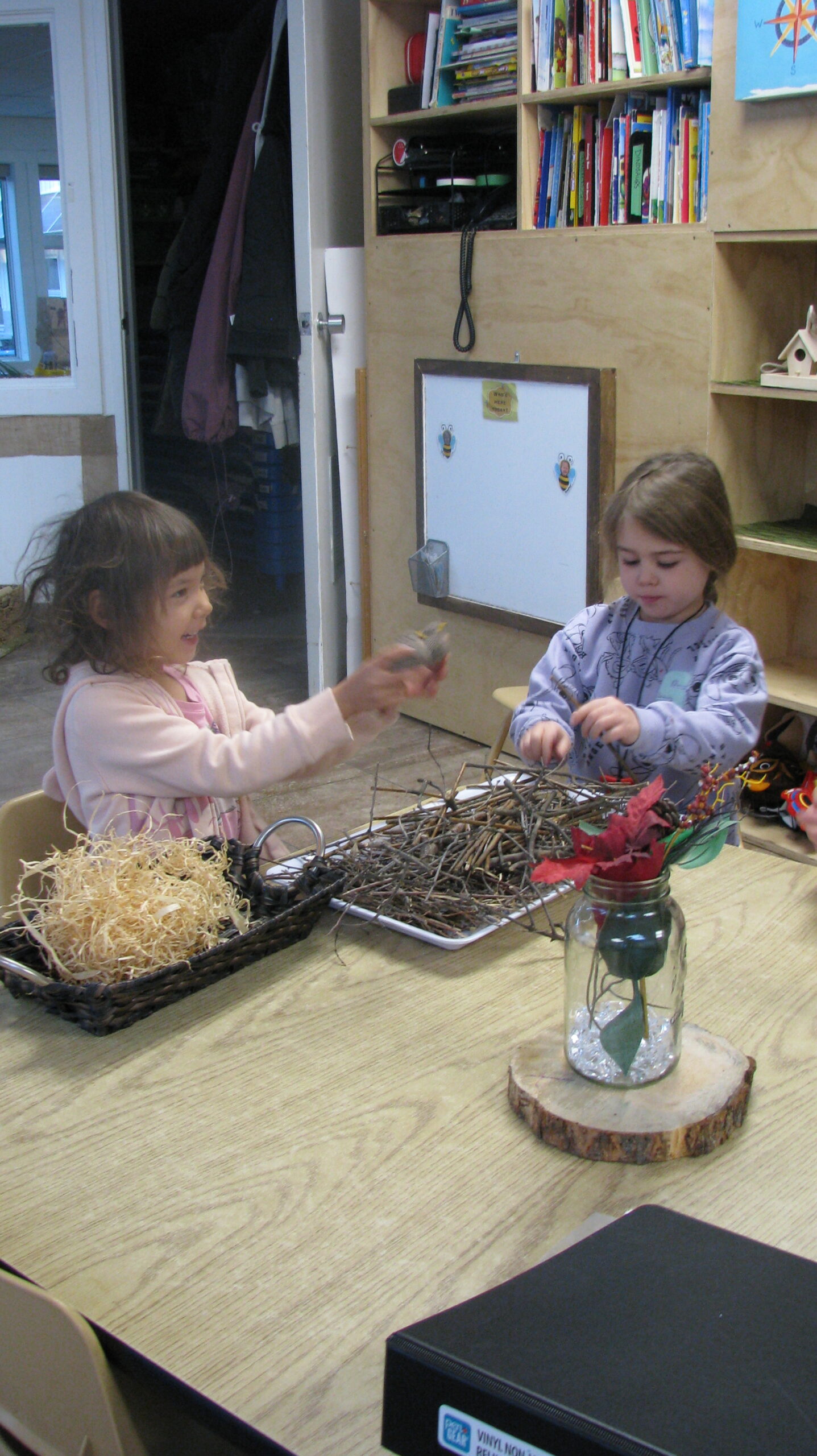
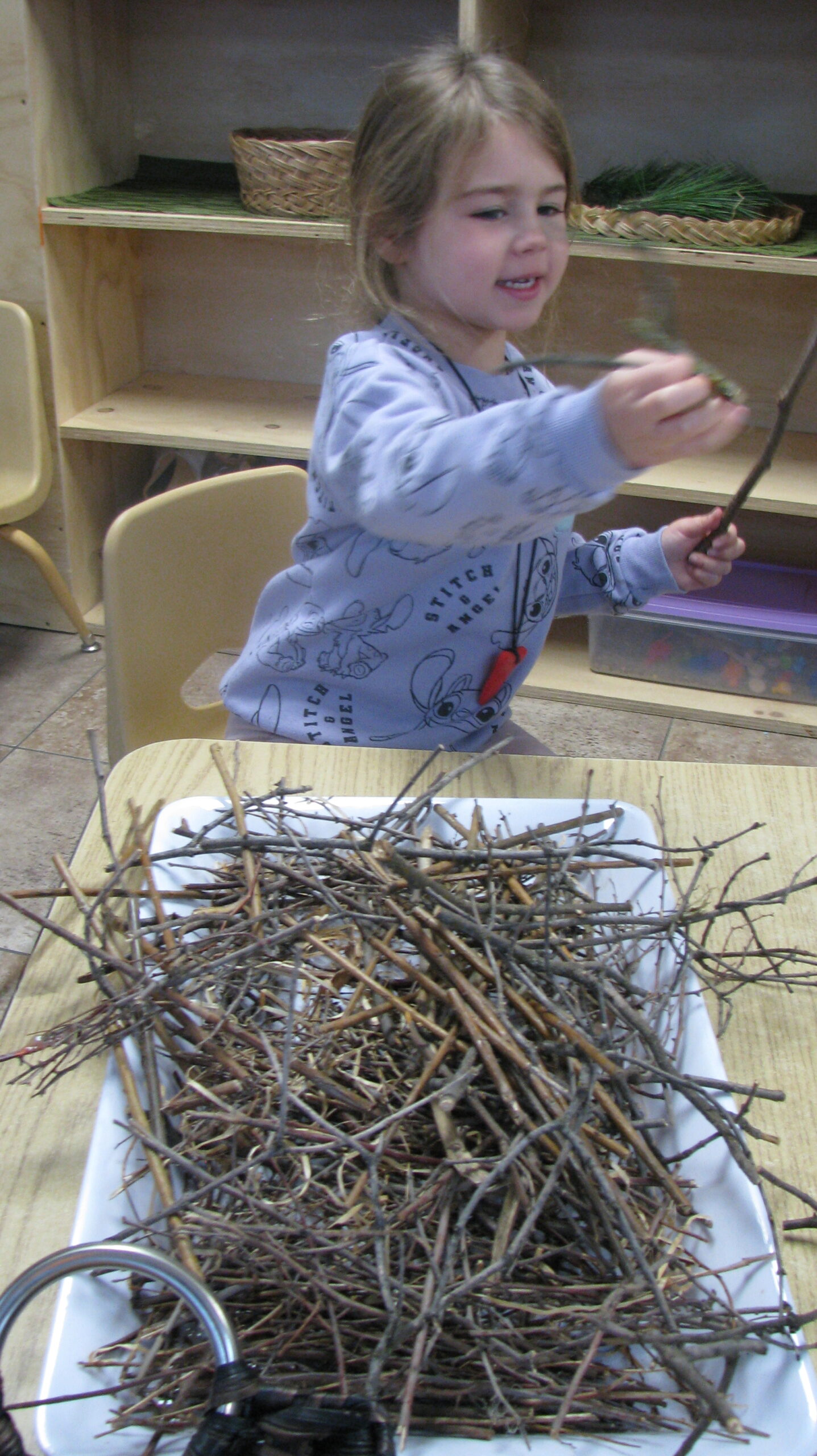
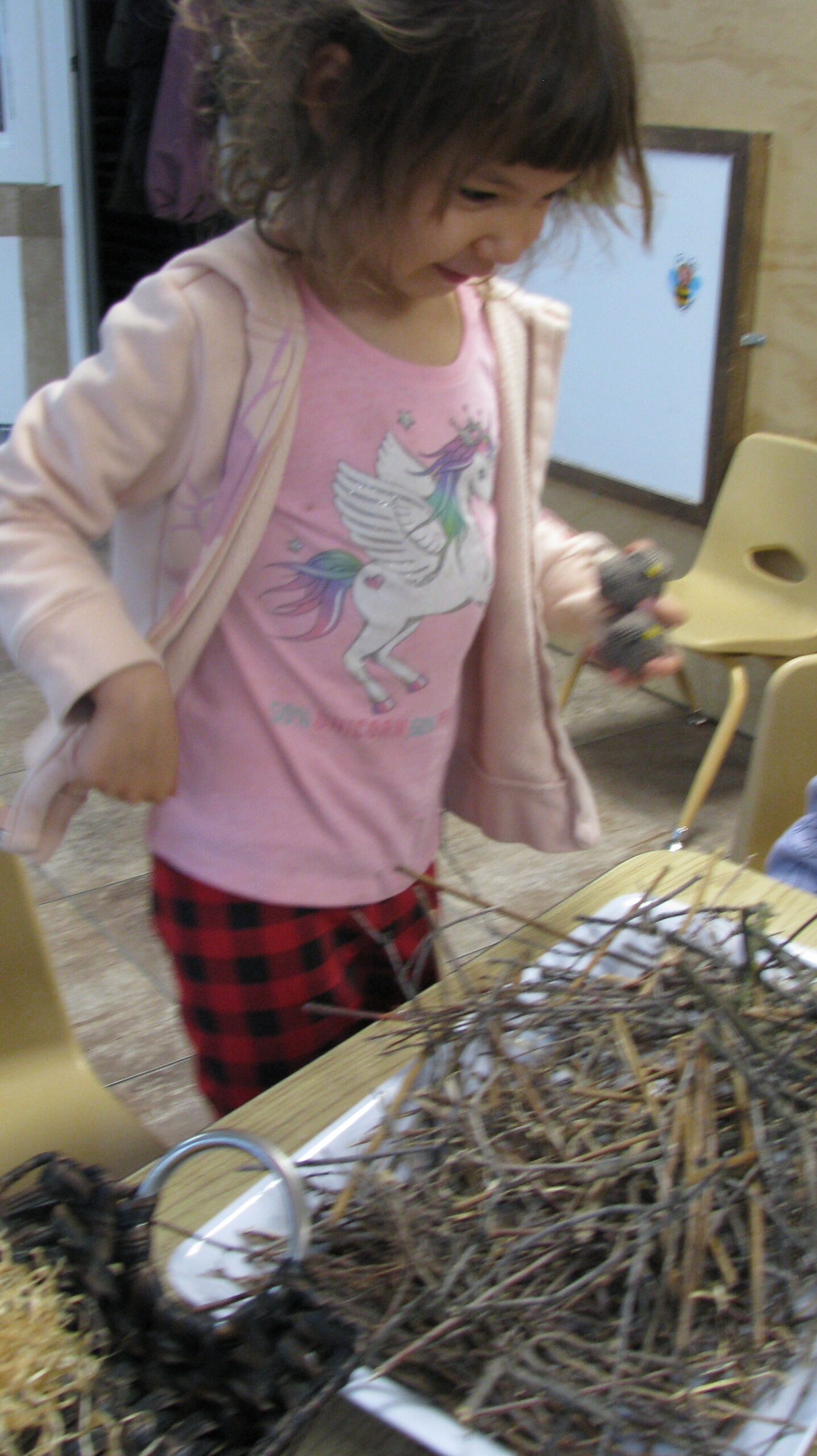
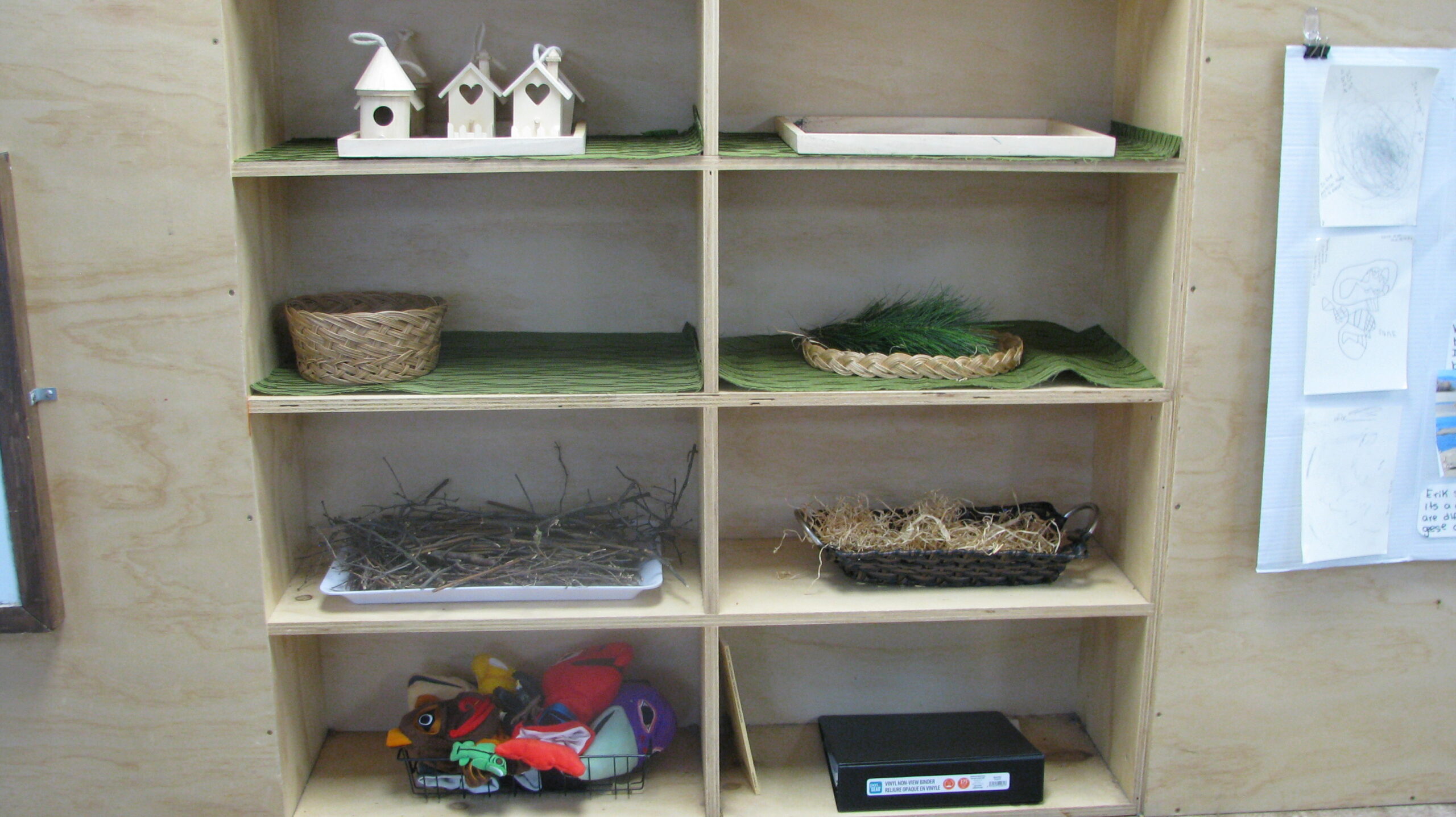
This week the children have been working diligently with the nest building materials, we still haven’t come to a conclusion on how the birds keep the nest together. We also do not have the clay that we are looking for. This is a question I’m going to continuously bring back to the children so that we can continue to explore how birds build nests.
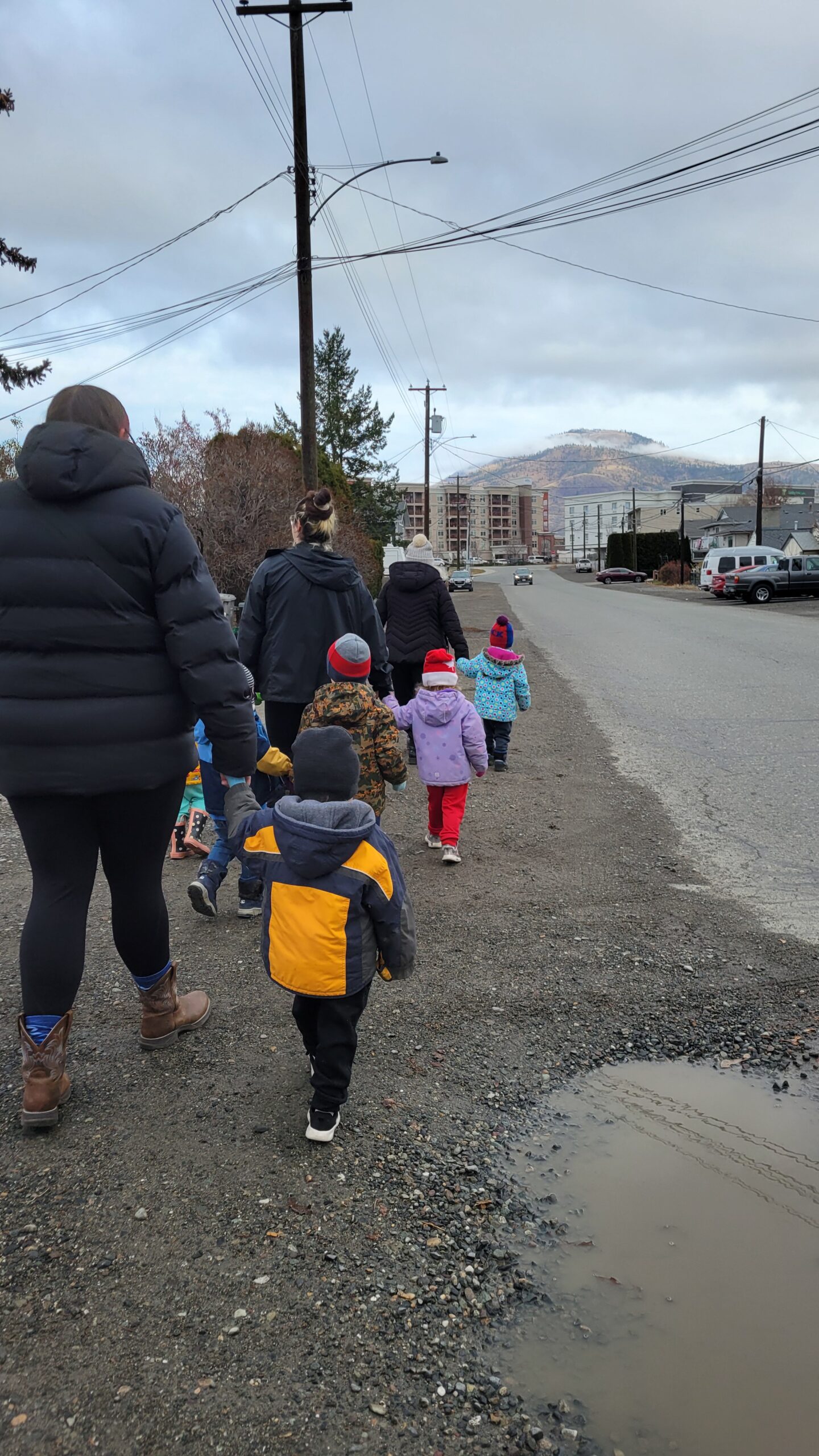
They discovered a lot of Christmas decorations along the way as well and were very excited to see these.
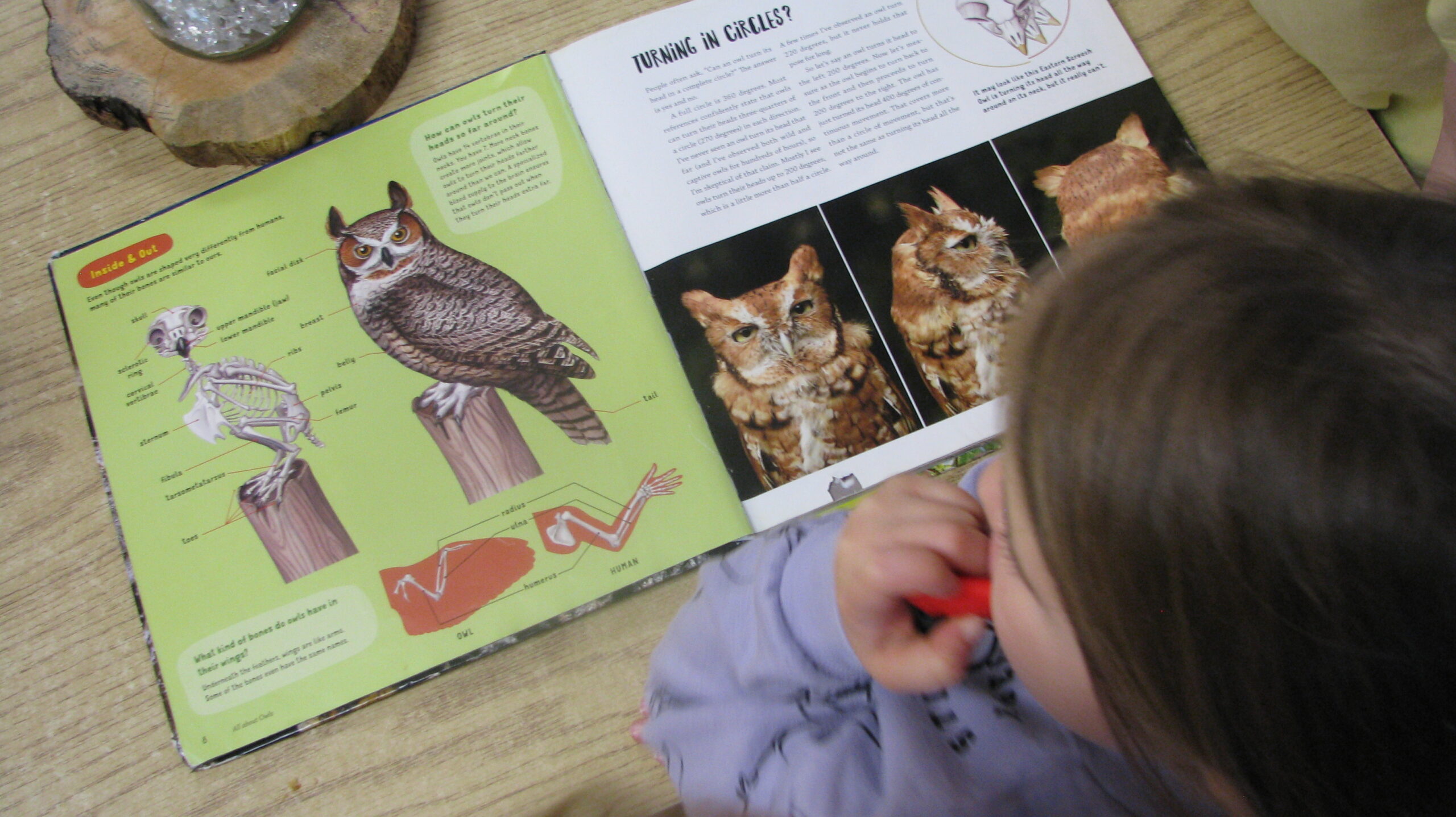
Some of the children came with me in the aisle where the bird books where they were able to pick one book out as one child picked it out the next one came; they were very delighted in this process.
They also have discovered that I’ve put a binder together with all the previous pictures and drawings that they have done this is a part of the shelf that is always open for materials to do with our investigation around birds. The children pulled the binder off the shelf and continuously looked at the photos I then took some of the photos out of the binder with some blank pieces of paper and pencil the children quickly got to work and started drawing.
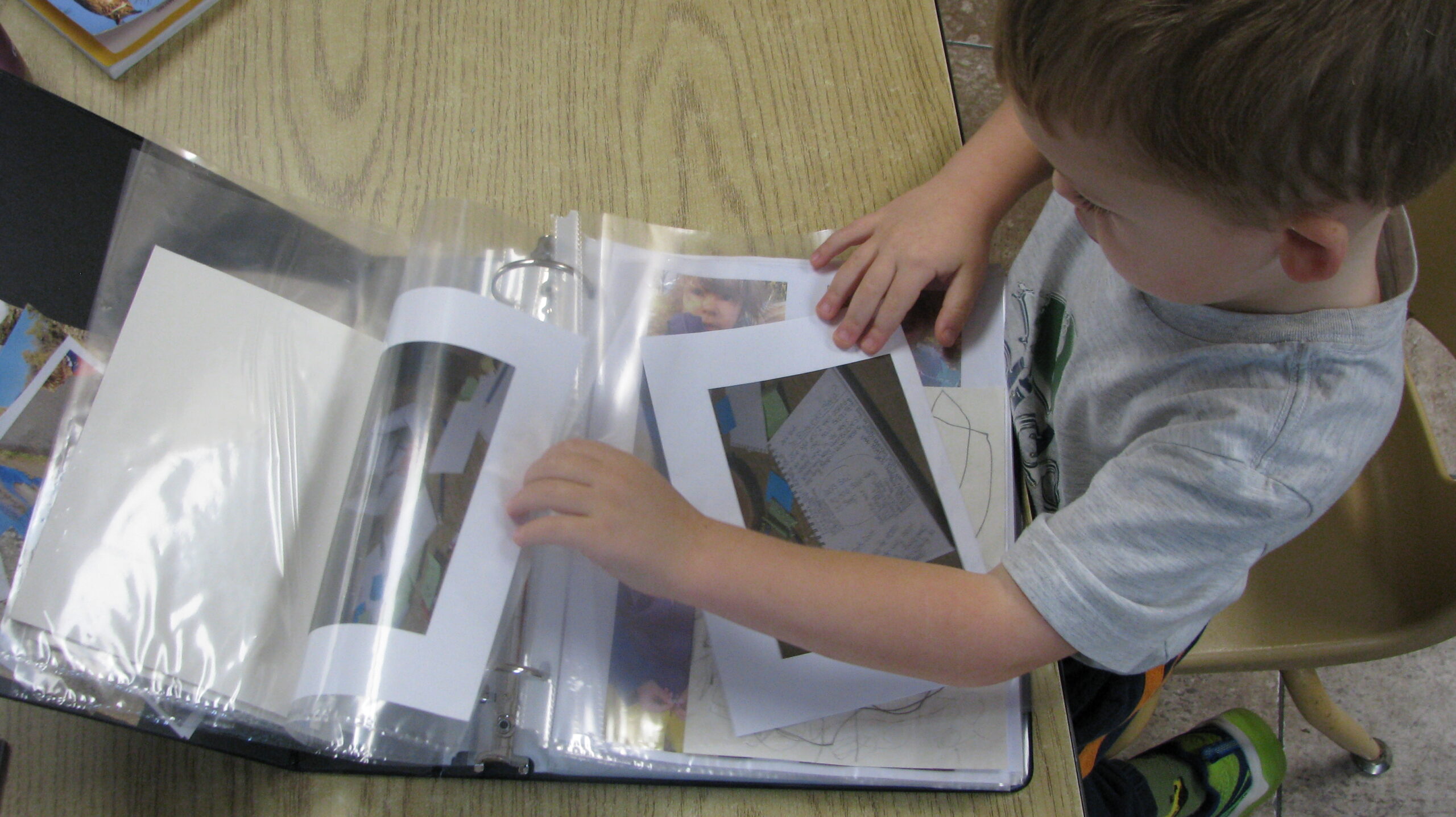
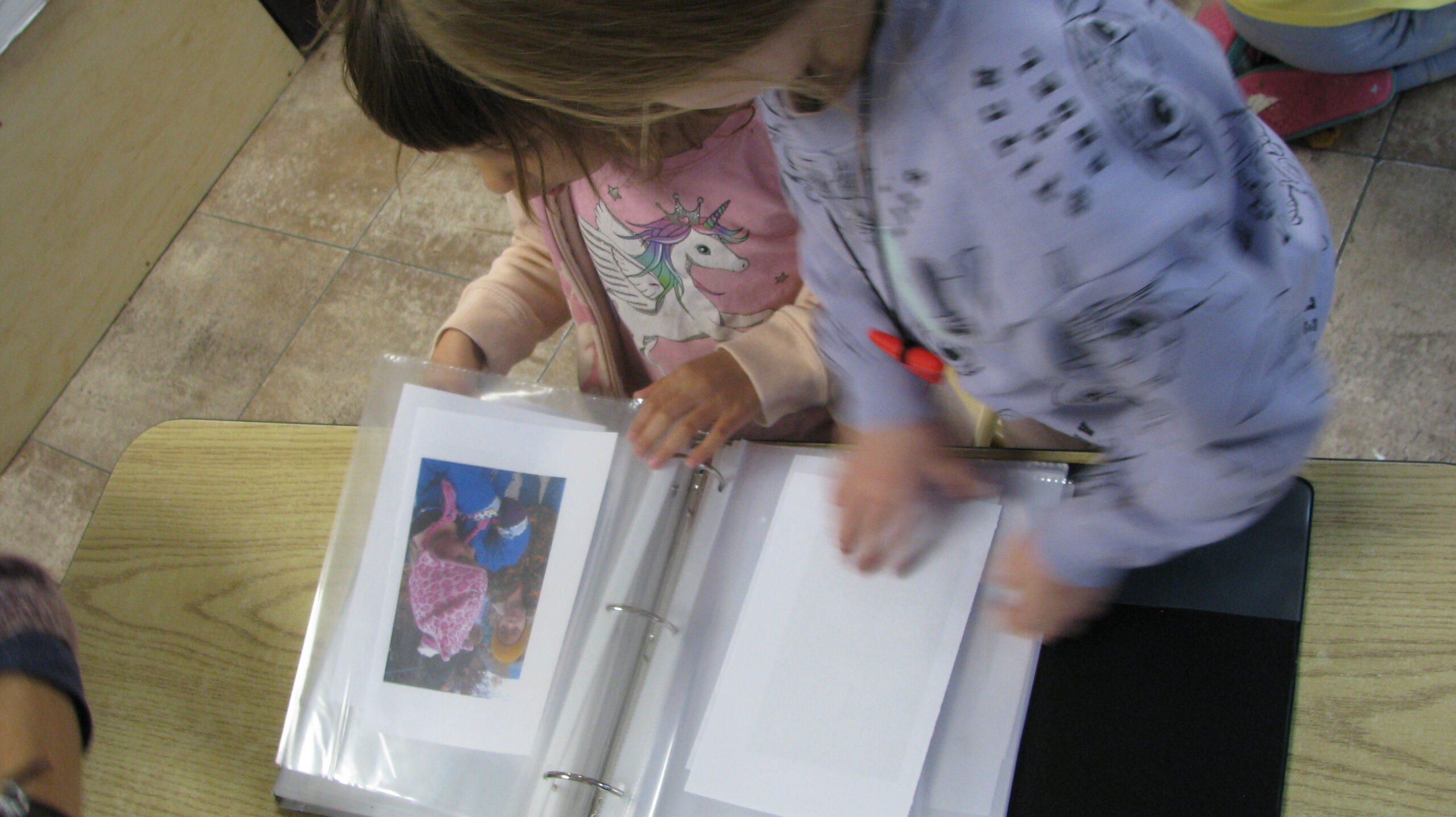
I have been using the words “mark making ” out of the moon bear and night butterfly on the early childhood pedagogy network relational languages of mark making, with the children. I wonder if this would change the way that we look at drawing within the classroom. Which leads me to another part I remember reading in moon bear and night butterfly, on page 1, there was a sentence that stood out to me while we were doing this? “Drawing, as a language, is understood as a sociocultural activity (New, 2007), a relational form of thinking, narrating, investigating, communicating, and articulating experience.”
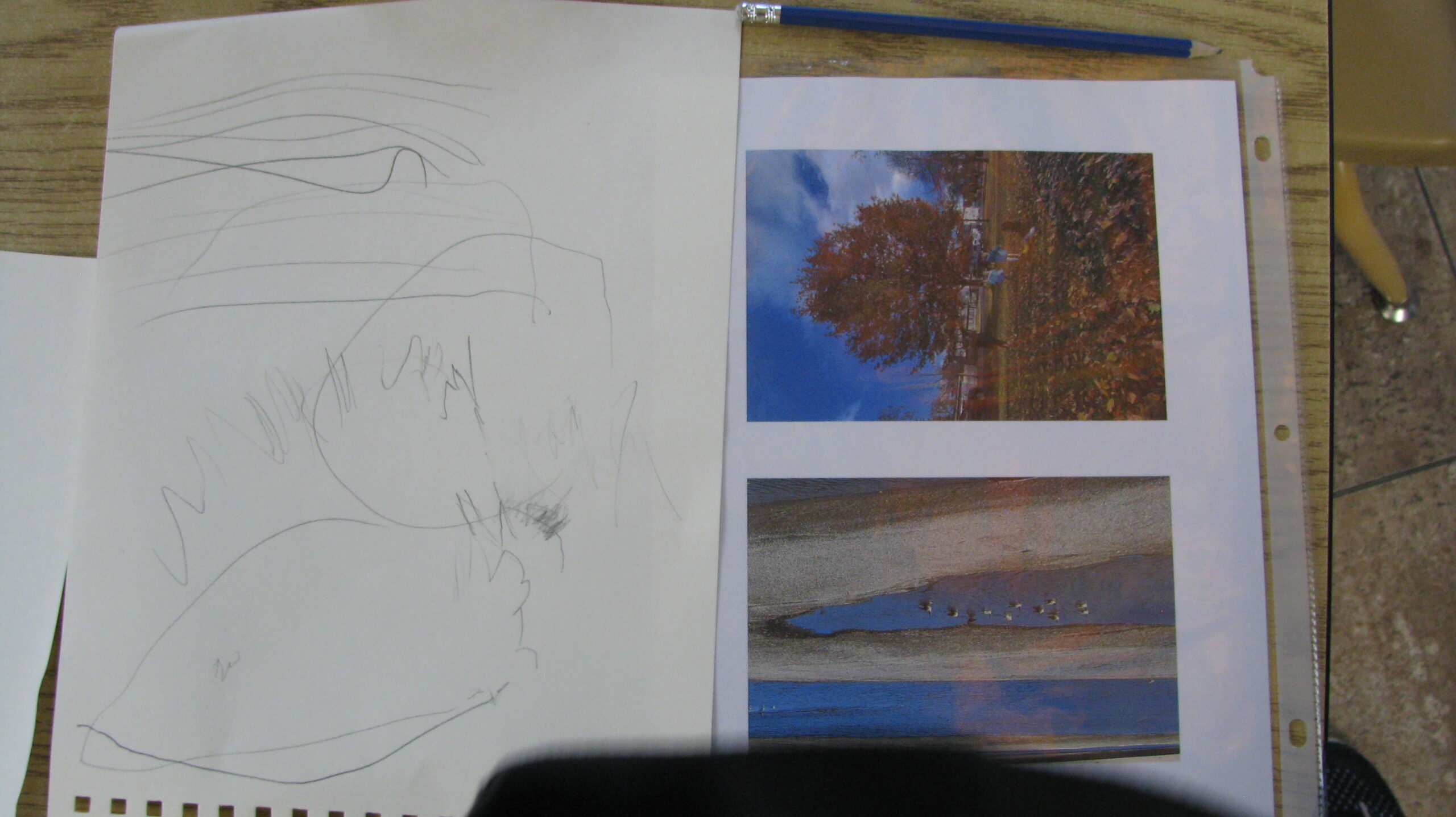
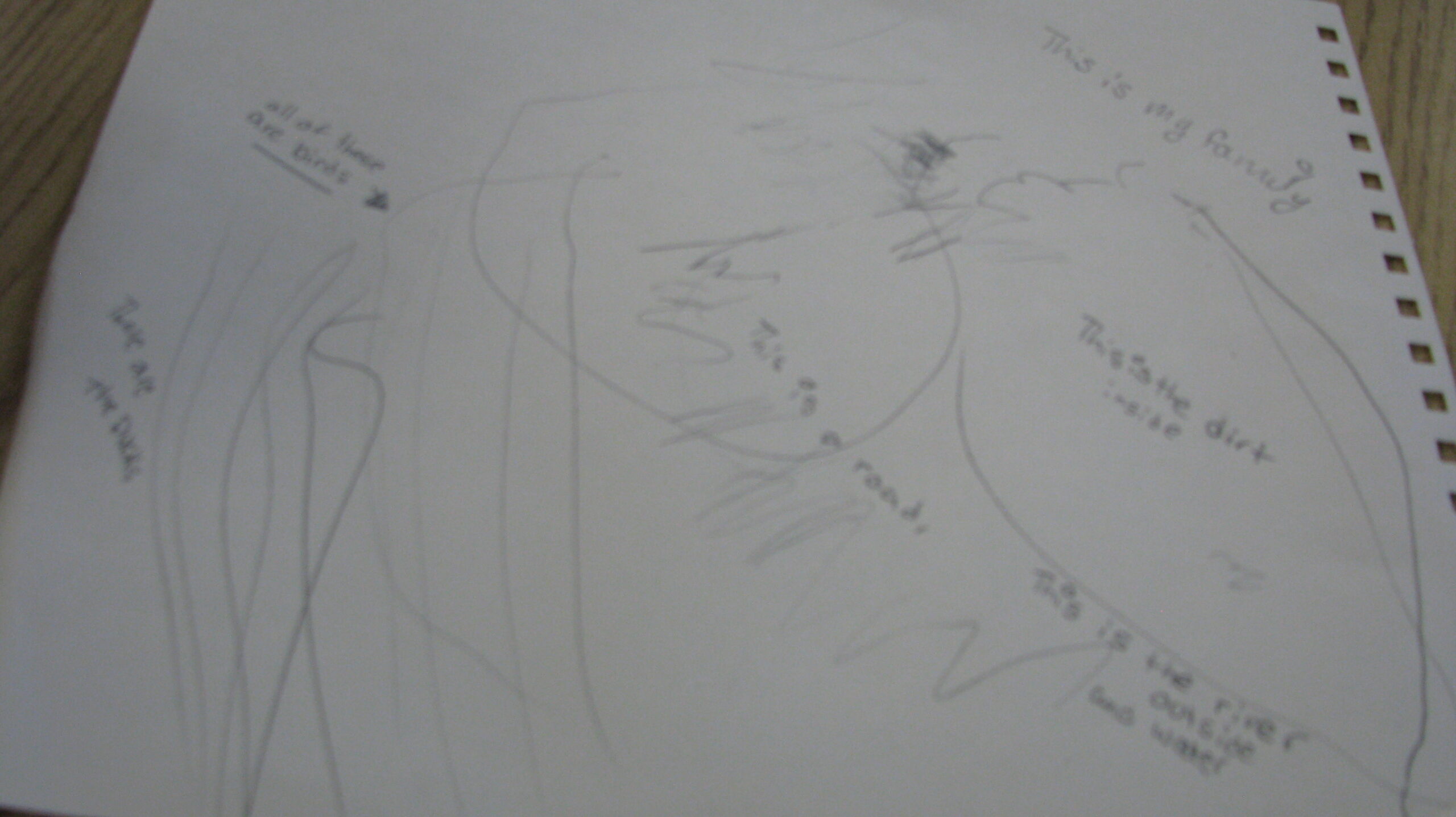
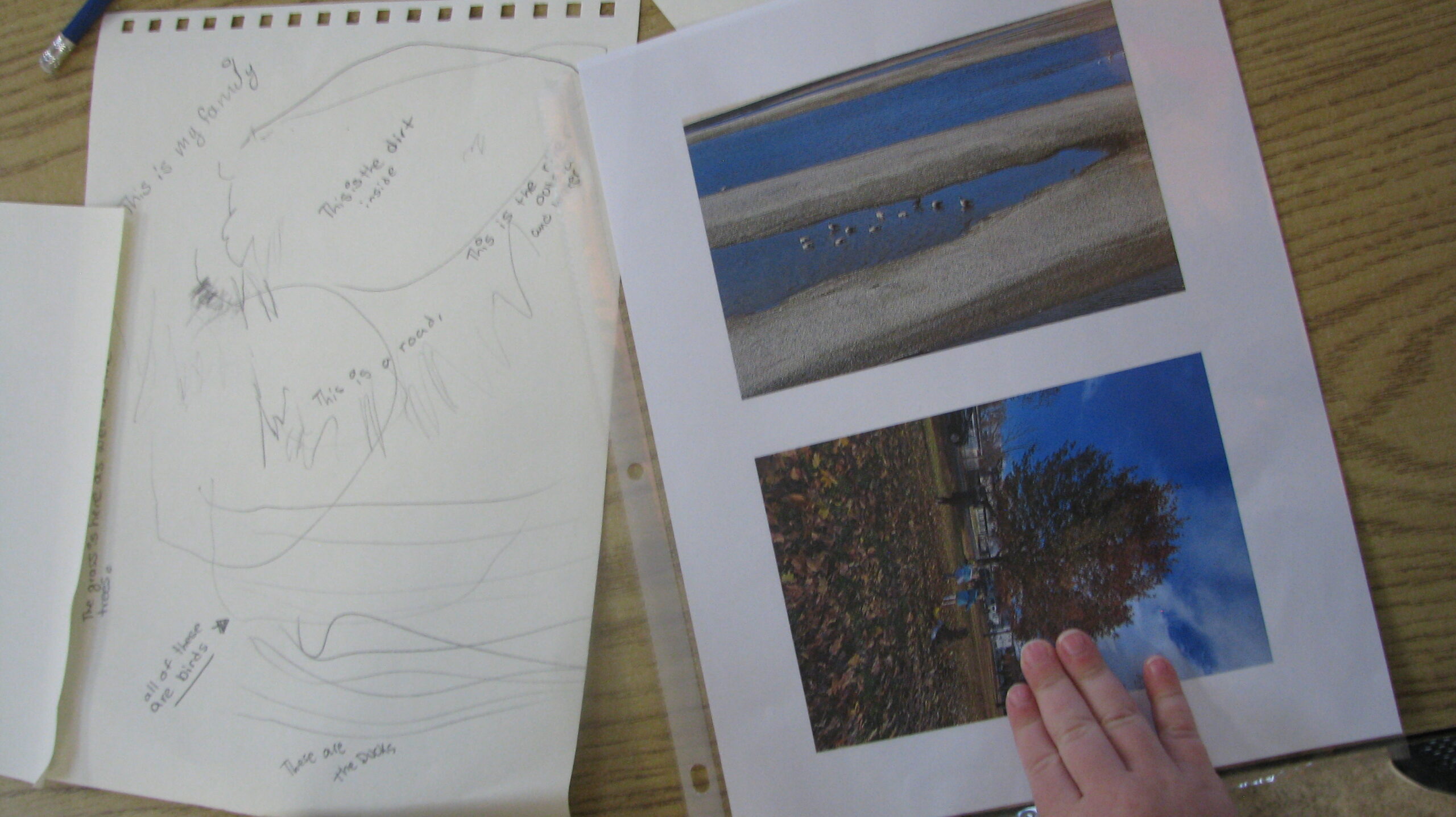
I have thought about continuously coming back to their drawing papers allowing them to use different materials on top of the pencil so that we can continue to come back to our drawings on the same piece of paper. Introducing this concept would help them think about the same drawing over in order for again and allowing them to slow it down a little.
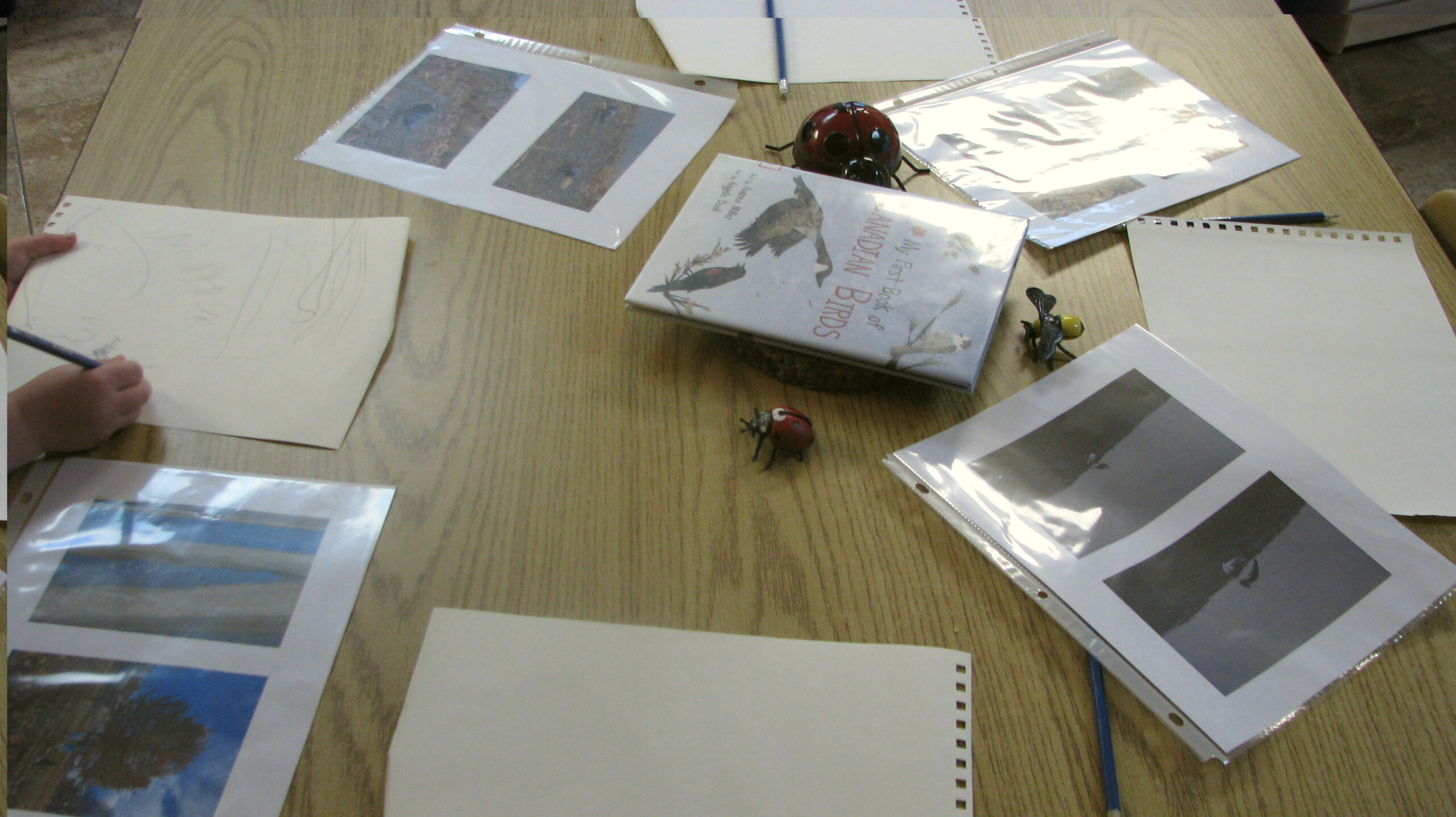
I think being intentional with this with the children will help deepen conversation around their mark making and descriptions.
This week’s focus has been revisiting the pictures that we’ve previously took and revisiting are materials that we’ve been working with. I also have another educator that is going to bring some more nests in, this will add to two of the nest we have in the classroom from other educators. I have not provided photos as I want to have a bunch of different nests, where the children can discover them, touch them and investigate them.
Now that I have three different types of nests I’m going to make sure to put these on the table this week so that the children can study them alongside the books and different pictures.
That is going to be one of my focuses this week.
The other focus I’d like to take a look at is the materials that children are using to make the nests and how we might keep them together? Is this has been a question around working with the Styx grass and fake pine tree needles.
I have been involved in conversations with the children on all of our walks also around the garbage along the river trail. The children really noticing it and asking questions , the children have talked about how concerned they are with the amount of garbage there is along the river trail.
They said things like
“If the birds eat this garbage it will make them sick”
“why is the garbage here ?’
“Where did that garbage come from?”
“The plastic that would make them die”
The children then asked me
“Chrystal, how can we clean up this garbage so that the birds are safe”?
I then asked how can we keep the birds safe?
One child said
“we can clean it up”
I then said how can we clean it up and keep us safe at the same time
One child said “we could do shovels”
“You Chrystal could use the big shovel’’
“ the children could use a little shovels at the centre”
Then some of the children looked at some of the bigger garbage and said
“how are we supposed to clean the big garbage”?
I said that’s a great question I wonder how we could get the big garbage cleaned up?
I think that this could be a whole other direction on the birds and how we can make the river trail a little bit cleaner?
Making children voices heard and that they are capable citizens within our city. How could we as a group make a difference for this river trail for the birds that are living within our beautiful river. I’m looking forward to exploring this with the children as another expansion on birds.
My plan is to go back to the river trail with garbage bags and shovels to be able to clean up some of the smaller garbage with the children.
I will continue to work with the children to see what we can do to clean up the garbage!
I do not have pictures of the garbage this week but I will make sure to take it next week so that I can provide you a little bit of what it looks like to walk along the river trail.
I am very much looking forward to this week to continue exploring this investigation with the children.
A few key points that make me revert back to the early learning framework on page 83
“this gives an opportunity for children to have one-on-one interaction both with adults and other children exploring this topic”.
The second point I want to point out is on page 85 of the early learning framework
“educators and children recognize that humans and the natural world are connected and mutually dependent on one another and began to reimagine pedagogies to respond to our environmental crisis”.
I will continue to listen deeply, be curious, embrace wonder and share this story!